Table of Content
Next, select “Account” located at the top of the settings menu. If you’re not worried about losing third-party integrations with your Nest devices, go ahead and move to the next section. When Google announced its plans for the account migration, it also stated that the company would eventually kill off the Works with Nest program. This change would require services to move over to the Works with Google Assistant program. Under "In your home" or "Local devices," you can find all devices on the same network that aren’t part of a home or room. The Best Home Security Systems in Canada Find the best home alarm system to protect your house.
Next, select the gear icon in the top-right of the screen to take you to the settings menu. If you’re on the web, you’ll need to click on your avatar and then choose “Settings”. Try changing the temperature, arming your security system, activating your camera, or verifying whichever Nest product you’ve added. If all you want to do is use Harmony to turn your TV on or off, install the IFTTT app on your smartphone.
Add the device to a room in a different home
Once your calendar and Google Assistant are linked — you can then use Google Home to edit appointments and do tasks like tell you your schedule. Visit the main menu in the Google Home App and select Home Controls. This will take you to a menu showing all the devices connected to your Google Home, organised by room. Google Home can also connect with your Nest devices, making tasks easier with automation and scheduling, like putting your cameras on a schedule to watch your kids get off the bus.

From that page, you now have access to all of your cameras in the left tab using the list view. You can also switch to a grid view for a preview of every camera on one page. You can also toggle each on/off if you wish, though we recommend leaving them idle so they can still record events if necessary.
How to Use Nest With Voice Commands
Once the network is up and running, you can go through and set up the family tools for limiting internet access on your kids devices, along with enabling a guest network. If you select yes, you’ll plug in the access point, wait until the app finds it, scan a QR code on the bottom of it and you’re done. Google’s Nest Wi-Fi Pro is the company’s latest mesh Wi-Fi system designed to improve the speed and overall coverage area of your home internet. It boasts speeds up to 5.4 Gbps, in the lab at least, and can handle more than 100 devices. You have the choice of letting the installer create the needed voice commands, or you can tell it what commands you would like to use.
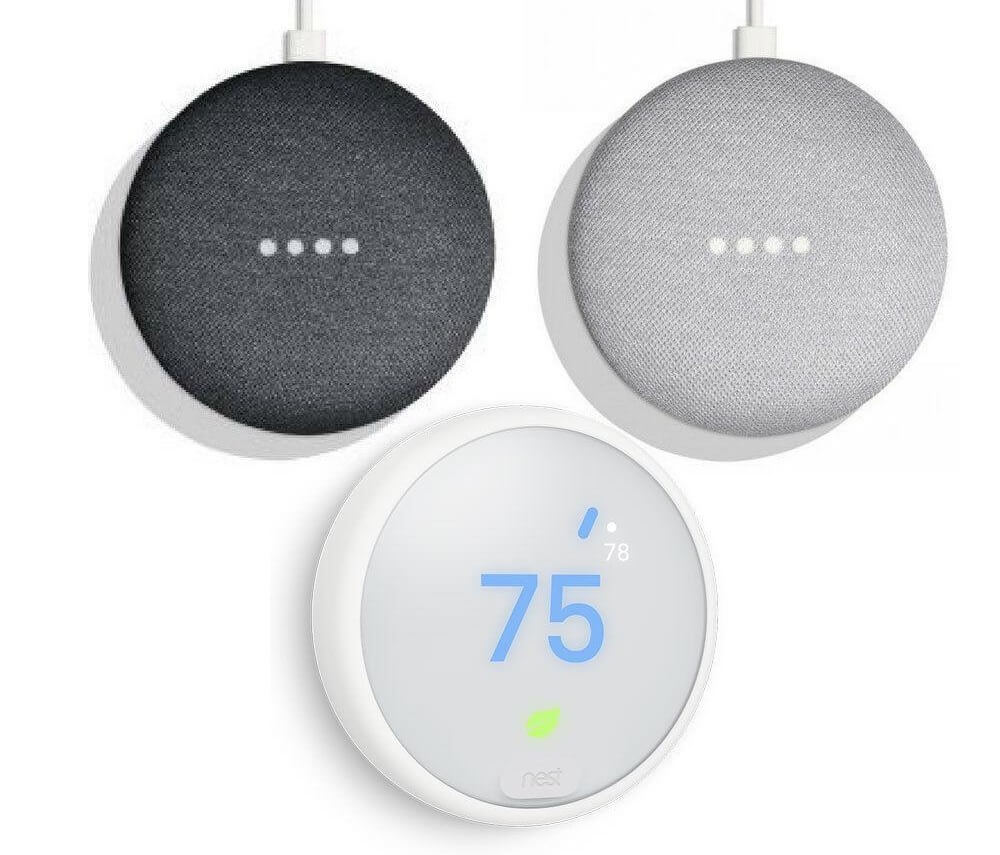
Once your Nest device is installed and active, you can connect it to Google Home through the Google Home app. Keep your Nest device powered on while connecting it to the Google Home app. Sign in to your Nest account to see your thermostat and any other Nest devices you have.
Use Google Home With Roku Via the Quick Remote App
In the event that you need to check your cameras, using the Google Home app is a good option. It’s easy to do and can be a quick process – as long as you’re not running the Google Home Preview. This guide will take you through using the new site to view your Google Nest Cameras live in any browser. By linking Google Home with a compatible Harmony remote system, you can perform many of the control and content access functions for your TV using Google Assistant voice commands.
After you enter the verification code, you’ll see a list of features you can control from the Google Home speaker. This will take you to a menu showing all the devices connected to your Google Home, organized by room. Google Home and Nest both connect to IFTTT, so use the service to create your own voice commands, as well. In the upper-right corner of the screen, tap your profile picture to open the main menu, then scroll down and select Home control.
The original Google Home speaker launched with a rename, too. The Google Cast app, which was a companion for Chromecast devices, was renamed Google Home. That name has persisted, even though the physical devices are no longer branded as such. Nest Labs burst on the scene back in 2011, when it introduced the Nest Learning Thermostat. This was a revolutionary device, and it was the first time anyone was really excited about thermostats. The original Nest thermostat was a driving force in the rapid evolution of the smart home.
You will now be shown some of the perks of migrating your Nest products to Google. These include having one secure account, seamless product integrations, and better control over your data. If you wish to continue, select “Continue with Google”. Select “Allow,” and the Nest device will connect with your Google Home. After, check to make sure your newly-connected device appears on the main screen of your Google Home app.
Google’s Nest Wi-Fi Pro system is easy to set up and use, and offers reliable network performance. On top of all that, its coverage is as good as it gets. Both ports on the Nest Wi-Fi Pro are limited to just 1 Gbps speeds. That means your network speeds are limited to 1 Gbps, even if you pay for faster service like I do. That said, I’m still not able to get the same type of wireless speed test results that I can when using the Eero Pro 6E system.
The latter is something that Google promised nearly a year ago, and we’ve heard nothing at all in the time since. They’re both connected to power, and both on the same Nest Aware plan with 24/7 recording. The only difference is the Home app’s terrible handling of recording history. When you link your TVs and Google Nest or Home speakers or displays, you can use Google Assistant to control music and video. Google reminds you that after the migration, you now log into your Nest app using your Google account. Additionally, your Nest products can now be fully integrated with Google’s other smarthome products.


No comments:
Post a Comment